

“The Breath of a Thousand Years”: On Russian Art
[Kim Hee-Eun’s Deep Resonance with Russian Art] The True Face of Russian Art, Hidden by the Smoke of War A Thousand Years of History Illuminated by the “Revolution of Russian Art” From Repin to Kandinsky and Chagall

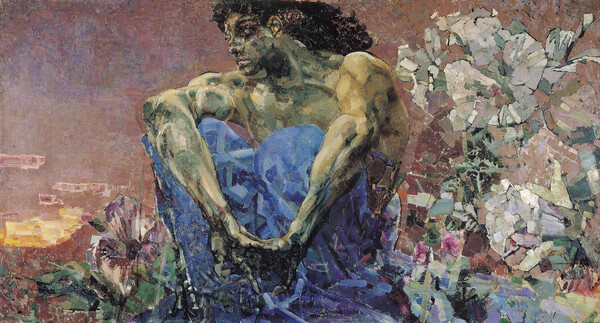
- This is an English translation of a Korean column originally published on September 19, 2024, titled ’ 천년의 숨소리’ 러시아 미술에 대하여
By Kim Hee-Eun, Director of Gallery Kartina
Russia Cannot Be Understood Through Reason Alone
It Cannot Be Measured by Universal Standards
There is Something Special in Russia
That Can Only Be Believed with the Heart.
– Fyodor Tyutchev (Russian Lyric Poet, 1803–1873)
As Tyutchev noted, Russia is a country that is hard to grasp in a single breath. I have lived there for over 20 years since I was 30, and I continue to work with Russia today. The lifeblood of my existence flows between Korea and Russia, while the veins that surround it are filled with Russian art. If I was nurtured and given life in Korea, it is in Russia that I discovered painting, connected with art, and learned the language of humanity.
Today, however, Russia is branded a perpetrator of war crimes. It invaded Ukraine, causing civilian casualties and earning the condemnation of the world. While history often takes unforeseen turns, the present reality is one I could never have imagined, leaving me speechless. Yet I summon the courage to talk about Russian art. Even if my words echo in emptiness, I hope for peace and resonance to return someday as I unveil the frozen soul of Russia.
A Relatively ShortHistory Compared to Korea’s Five Millennia
Russia is a vast continental nation, covering about one-eighth of the Earth’s surface, straddling Asia and Europe. This unique geographical position gives it a dual identity, embodying both the East and the West. As the great author Dostoevsky said, “Russia contains both Europe and itself.” The Russian spirit has been shaped by a constant tug-of-war between Slavophilism, which seeks to preserve traditional Russian values, and Westernization, which embraces new ideas. This dynamic gives Russia a distinctiveness that defies easy understanding.
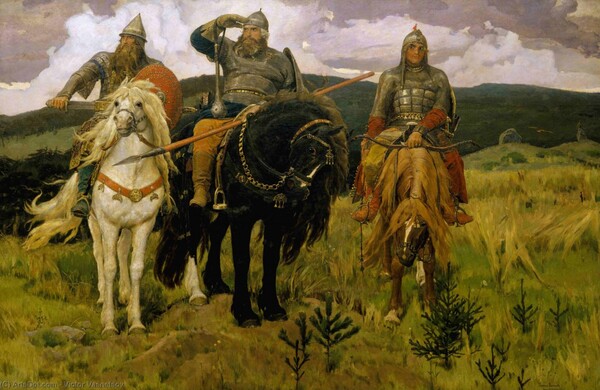
Russia’s history spans only a thousand years, a mere fraction compared to Korea’s five millennia. Even within this relatively short span, Russia has endured countless invasions, destruction, and subjugation. It is no exaggeration to say that there was no true “golden age” in Russian history. From the 13th to 15th centuries, it was under Mongol rule for approximately 240 years and suffered greatly from wars and conflicts.
In the early 19th century, Napoleon’s invasion devastated the nation. The 20th century brought the collapse of Imperial Russia, the Bolshevik Revolution, two world wars, and the drastic upheavals of perestroika, leaving the country staggering. Despite these turbulent times, the Russian people have endured with quiet determination and resilience.
Russia’s Remarkable “Artistic Revolution”
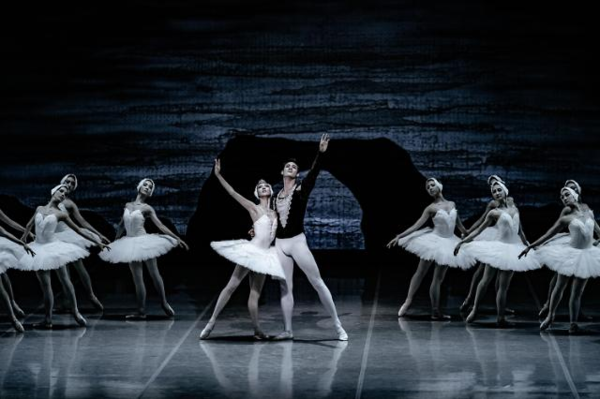
Nevertheless, Russia has given the world Tolstoy and Dostoevsky, Tchaikovsky and Rachmaninoff. It is a country where the paintings of Chagall, Malevich, and Kandinsky—pioneers of modern abstraction—breathe alongside a rich tradition of performing arts. Throughout Russia, classical concerts, ballet, theater, opera, and musicals unfold endlessly. The astonishing artistic achievements Russia produced in the 19th and 20th centuries have been hailed as a “Second Renaissance,” earning global admiration for their revolutionary creativity.
The entire Russian landscape is a living museum of history, meticulously preserved and recorded. Its people absorb this vast cultural heritage as naturally as breathing, learning from the past, living in the present, and dreaming of the future.
At the heart of this cultural legacy lies Russian art. Over a thousand years, Russian painting has served as the eyes and ears of its history, telling stories of life and bearing witness to the times. Driven by a quest for “truth about life,” Russian painters infused their era’s voices with vibrant colors, creating works that resonate deeply, compelling viewers to nod in recognition.
Russian Art: From Aristocracy to the People
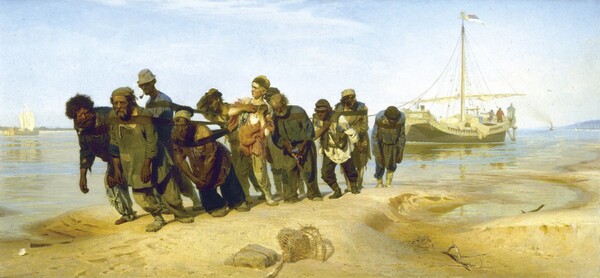
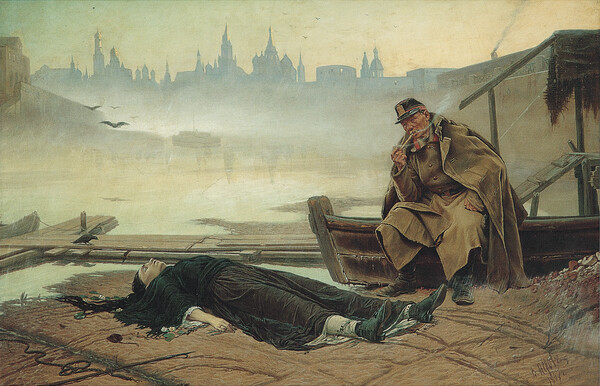
In the 19th century, the realist paintings of the Peredvizhniki (the Wanderers) expanded the reach of art from the aristocracy to the common people. Paintings became voices and narratives that reflected the times. The flourishing of Russian genre painting in the 19th century was a unique “artistic revolution” unparalleled in any other era or nation.(※ The Peredvizhniki, founded in 1864 under the leadership of Ivan Kramskoy, was a prominent 19th-century Russian art movement. Advocating for realism and social engagement, they held traveling exhibitions across Russia from 1871 onward. The group dissolved in 1923. – Author’s Note)
From Reality to Imagination: Russian Abstraction
At the turn of the 20th century, Russian Symbolists and members of the World of Art movement introduced pure artistic language, demonstrating how art could transcend reality and be transformed into beauty. These artists emphasized the autonomy of art, guiding Russian painting toward a purer aesthetic. Their creative endeavors culminated in extraordinary achievements in stage design, laying the foundation for Russia’s renowned performing arts.
The fiery creativity of 19th-century Russian painting paved the way for the “Russian Avant-Garde” movement in the 20th century. Moving beyond traditional representation, artists like Malevich and Kandinsky opened new worlds of abstraction, transforming art. Malevich’s Suprematism laid the groundwork for modern minimalism, Kandinsky pioneered abstract expressionism, and Chagall reimagined the boundaries of fantasy.
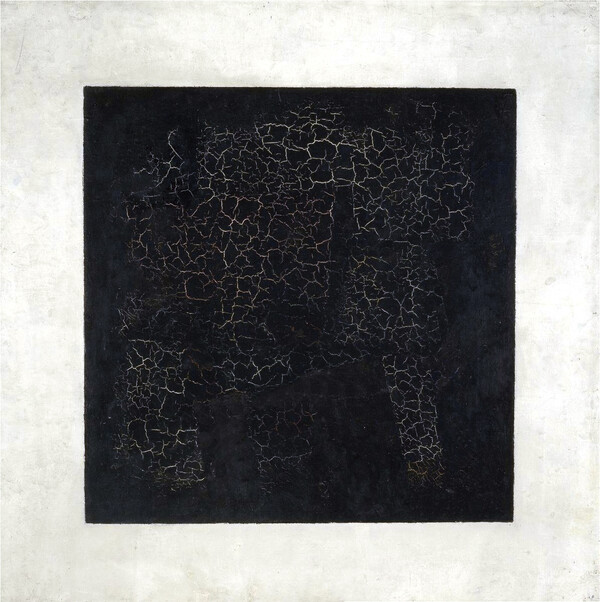
Few realize that Russian art played a pivotal role in shaping modernism, as it has been largely excluded from global art history. The reason is simple: after the Russian Revolution, Soviet art diverged from the global trajectory. Socialist Realism, which glorified political ideology, was dismissed as a “Pandora’s Box” in countries like South Korea.
However, I now intend to gradually unlock that box. Through <the Columnist>, I aim to share the artistic core of Russian art, not as interpreted by the West but as voiced by Russia itself.
In his novel <The Idiot>, Dostoevsky wrote, “Beauty will save the world.” That beauty opens its arms when we gaze deeply and attentively. If you open your eyes and ears to Russian art, its unparalleled beauty will touch your heart and resonate with goodness.
About the Author:
Kim Hee-Eun has been an art dealer, exhibition planner, and curator for nearly 20 years. She runs Gallery Kartina[희김2] , specializing in Russian art, in Seoul and Moscow. An enthusiastic docent, she is affiliated with the Tretyakov State Gallery and the Pushkin Museum. She is the author of Whispering Stories of Russian Art and Russian Art Beyond the Museum. Through her YouTube channel, Gallery Kartina,[희김3] she strives to popularize Russian art in South Korea.


댓글